Material research, Costume & Set design and making
UMLANDO
UM[LAND]O is a visceral, multi-disciplinary movement work that transforms fabric, the human body, and live responsive music into a living archive of land dispossession. In the Zulu language, the word UM[LAND]O carries a dual weight: it is both the history we inherit and the active process of fetching that which was lost or left behind.
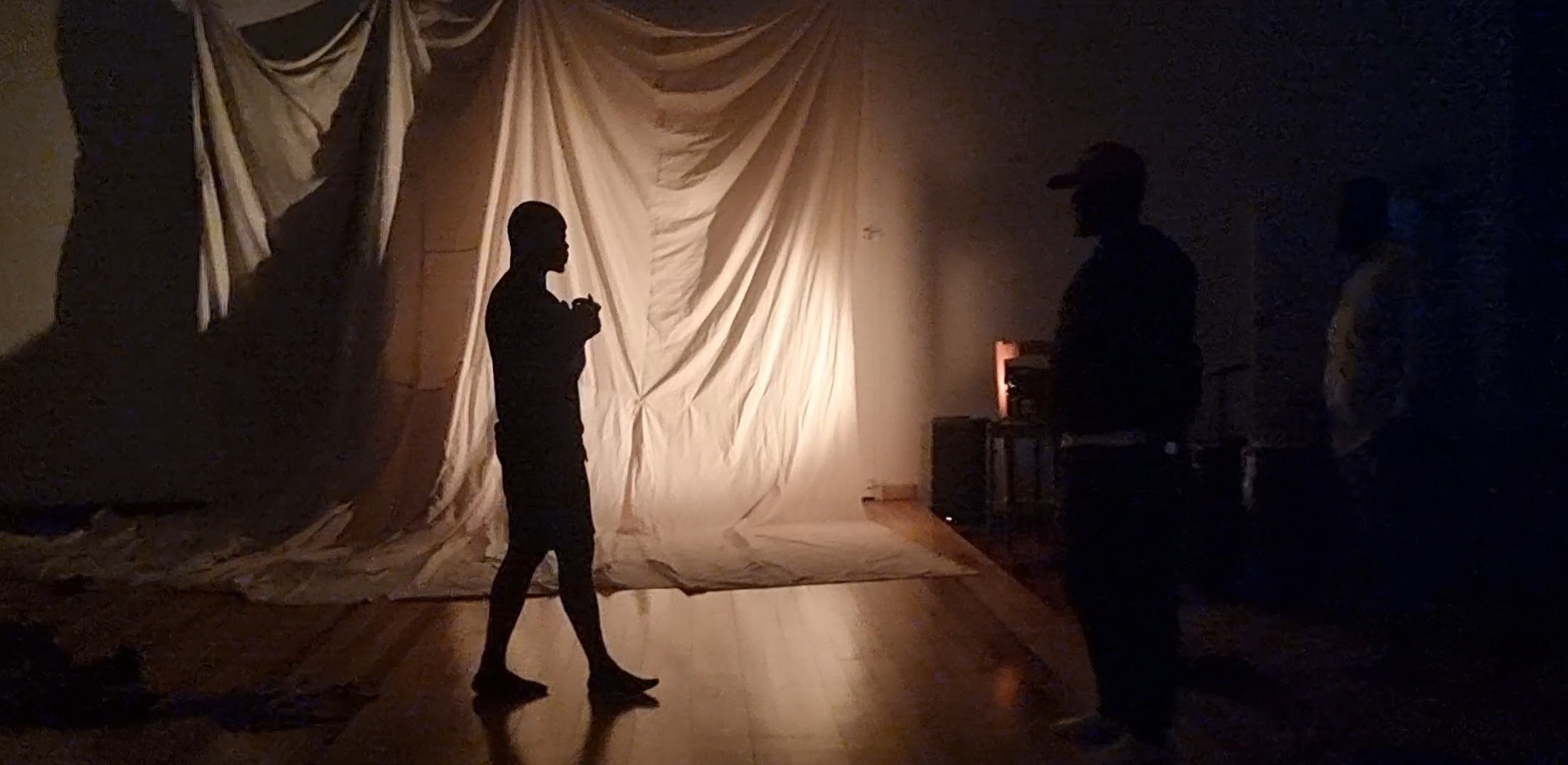
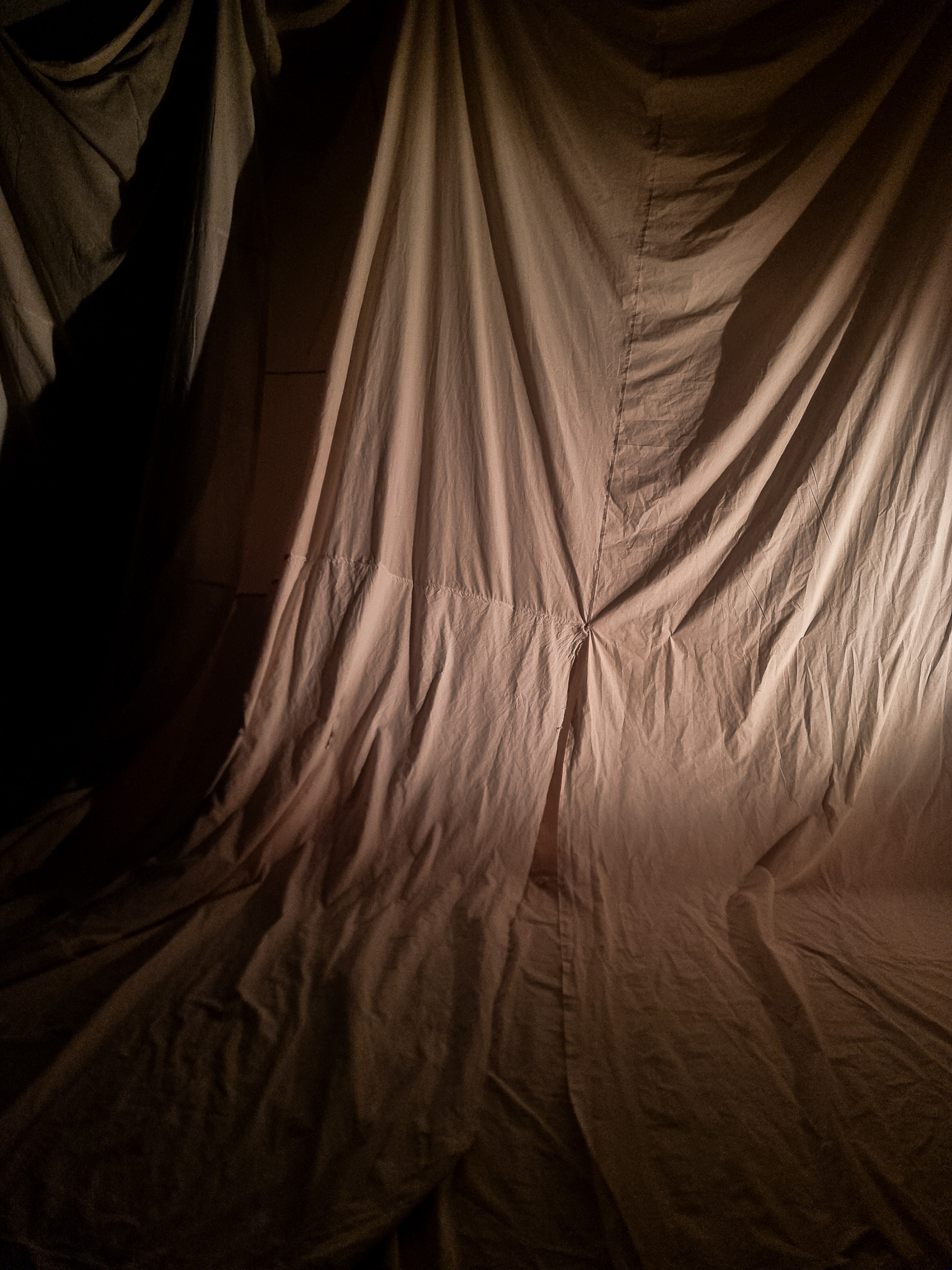
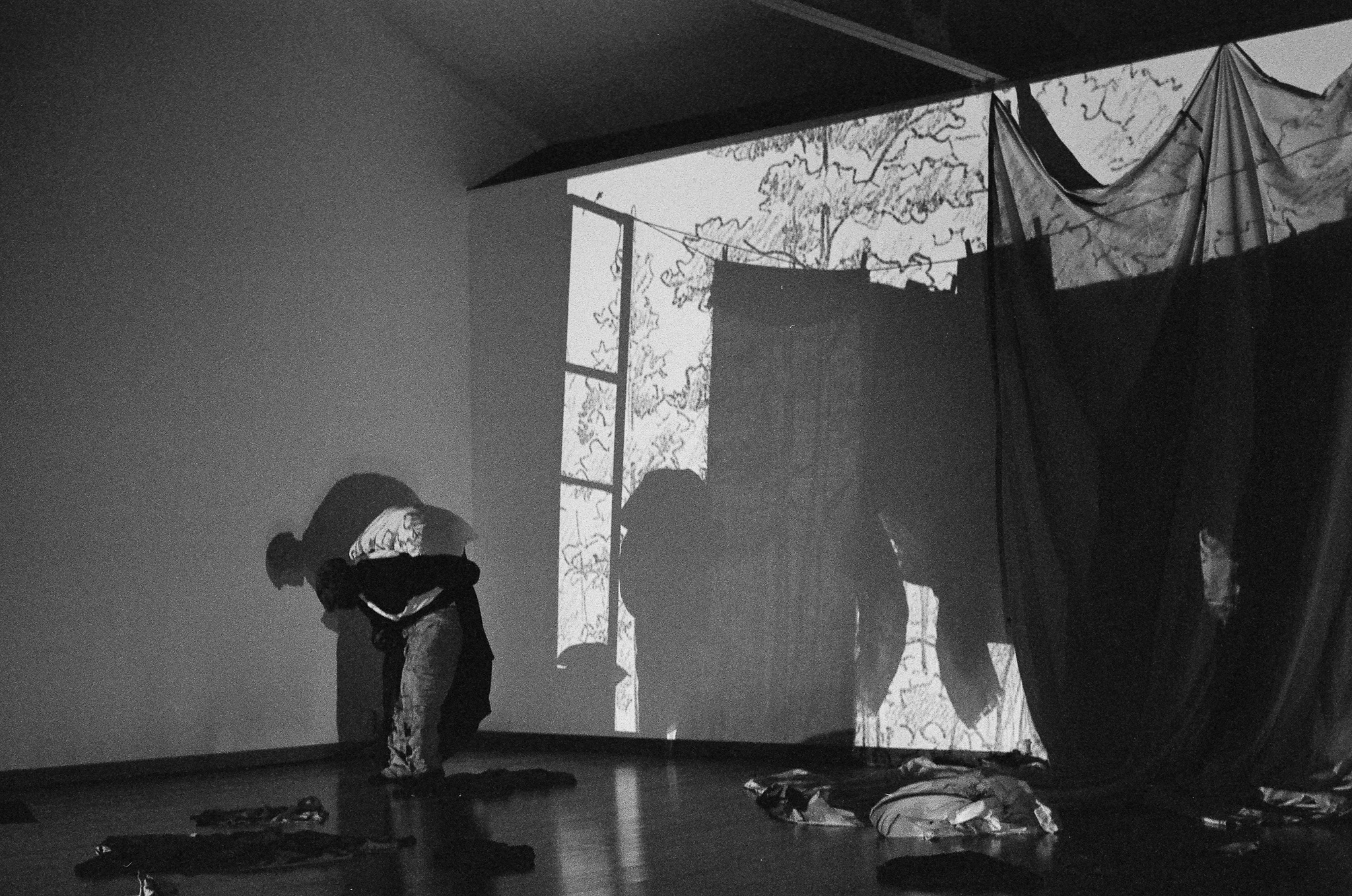
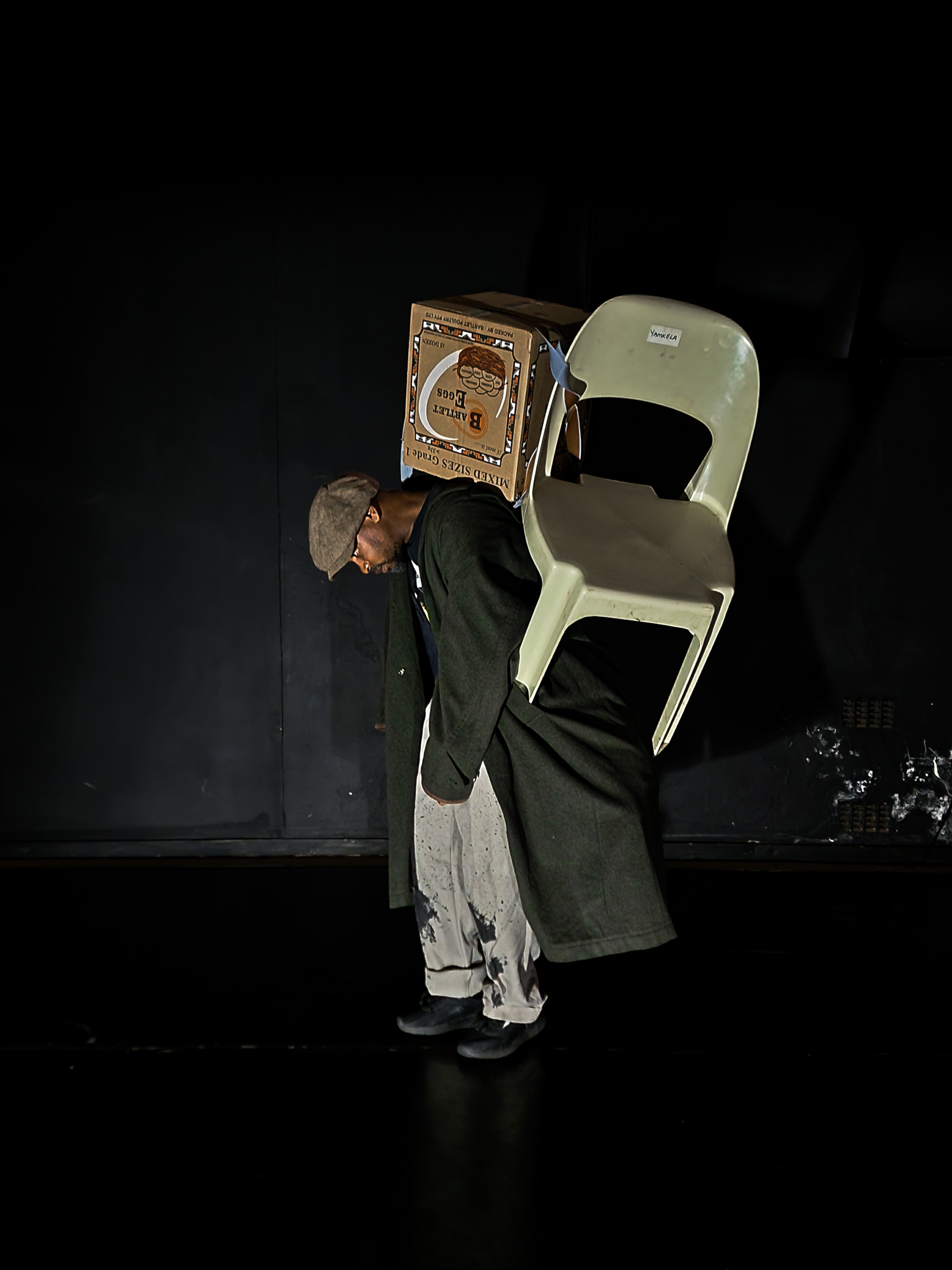
The performance follows a lone performer who returns to a contested land scarred by the invisible lines of colonial and bureaucratic borders. Carrying yards of heavy, unwashed canvas and ancestral textiles, the performer does not arrive to speak, but to weave, bind, and move. The fabric acts as a secondary skin, a portable map, and a physical manifestation of the stolen land itself. Operating in direct dialogue with the performer is a live Musician, whose sonic landscape functions as an added language rather than a simple backing track.
UM[LAND]O is a powerful, solitary ritual of decolonisation, proving that when a person is stripped of their geography, an entire history can still be fetched, remembered, and reclaimed through the only territory they have left: their own body.
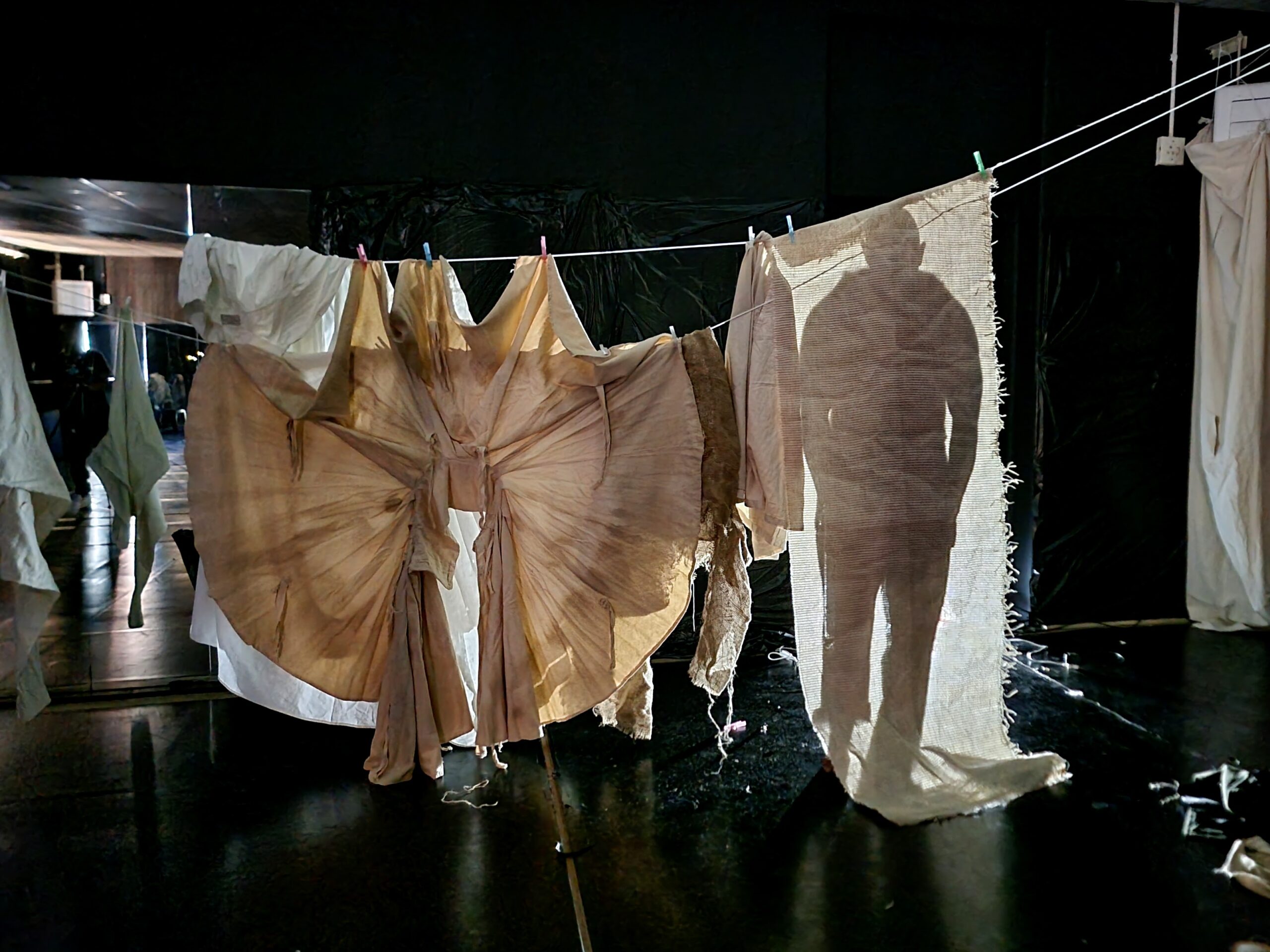
In UM[LAND]O, fabric and bodily movement transcend mere aesthetics. They shift from being static props or surface decoration into a profound somatic, historical, and political language dealing with the trauma of land dispossession.
Fabric as a Secondary Skin and Cartography
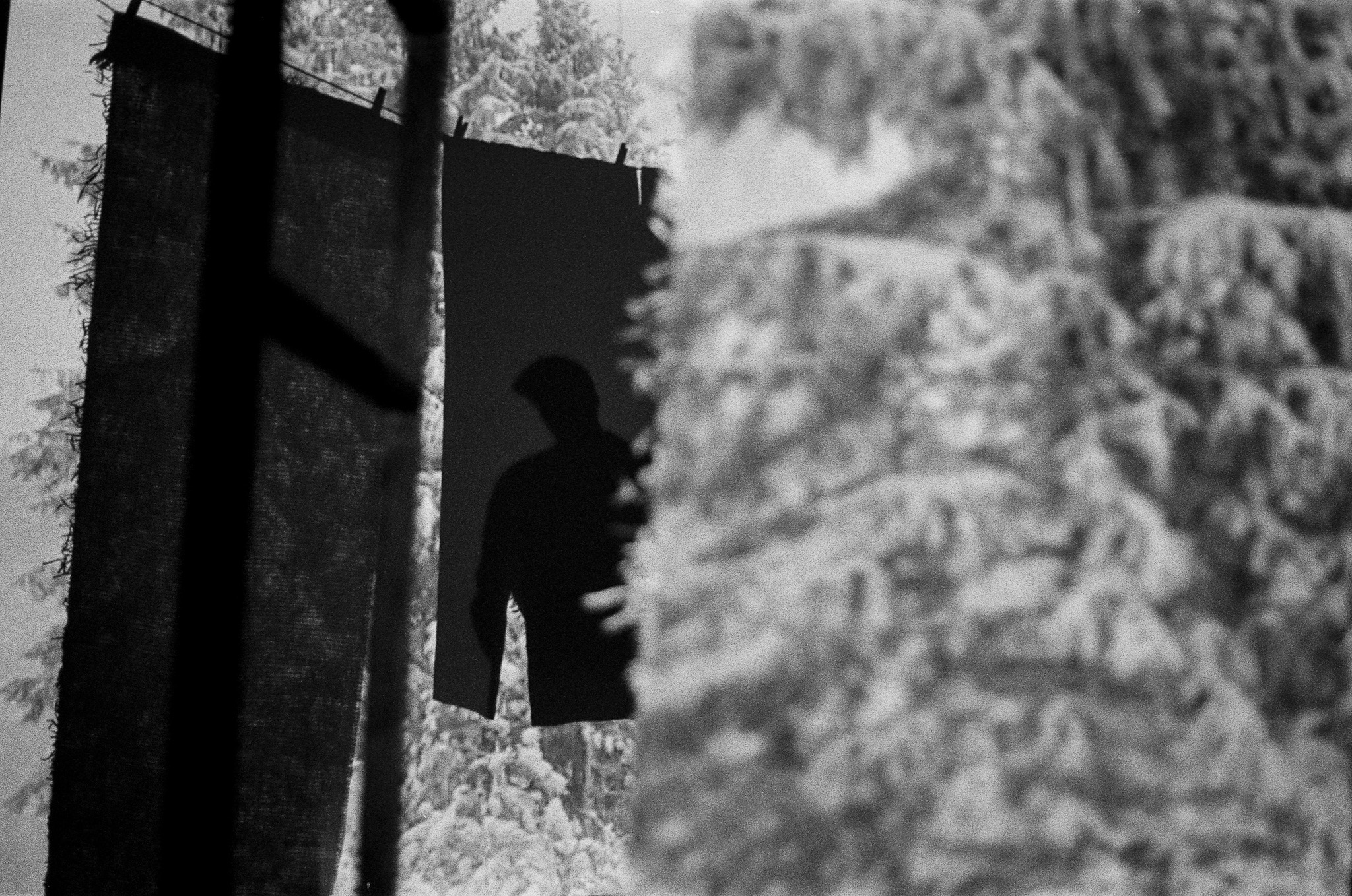
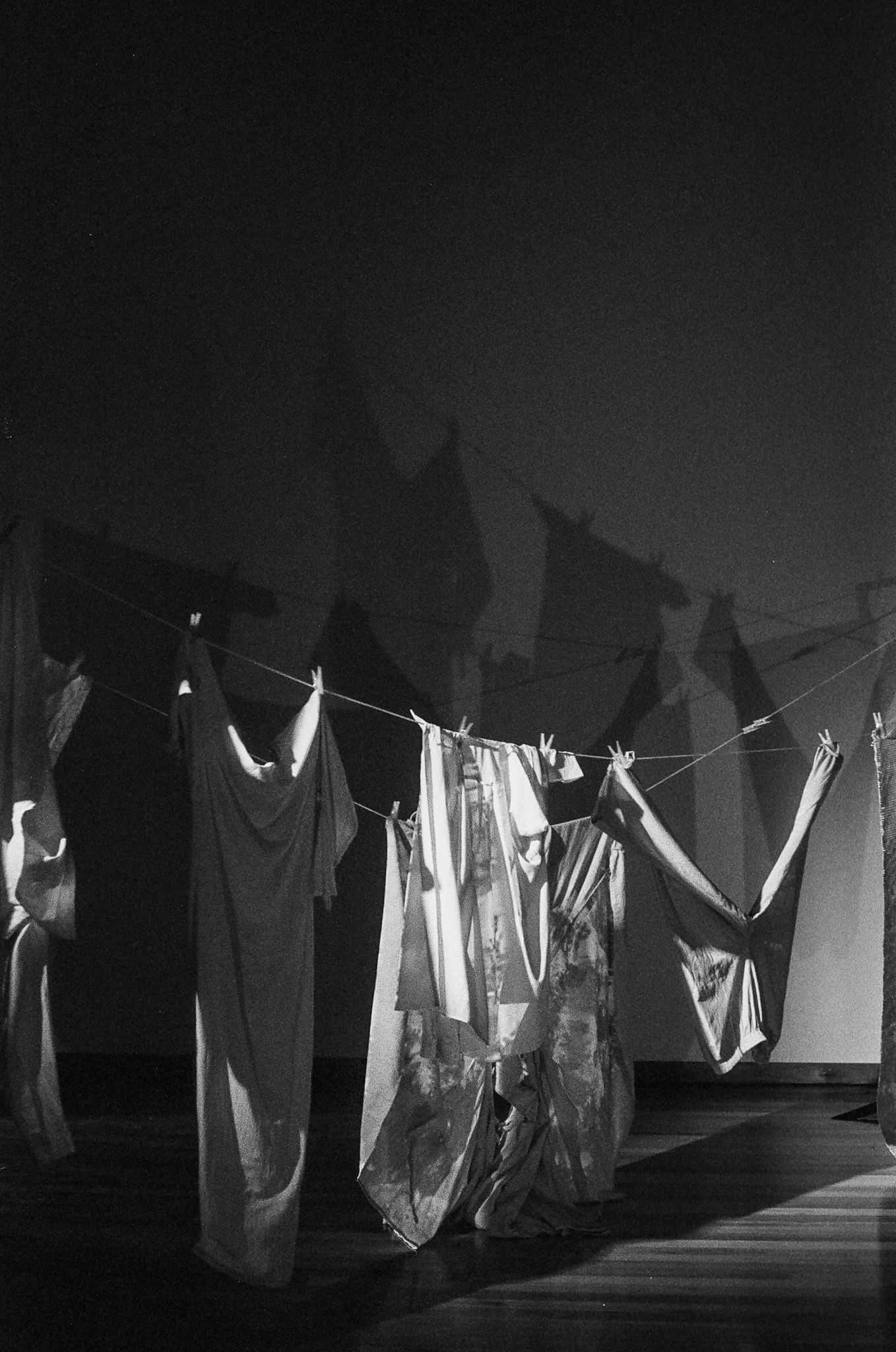
The imagery developed for this project operates between the hyper-visible and the shadowed.
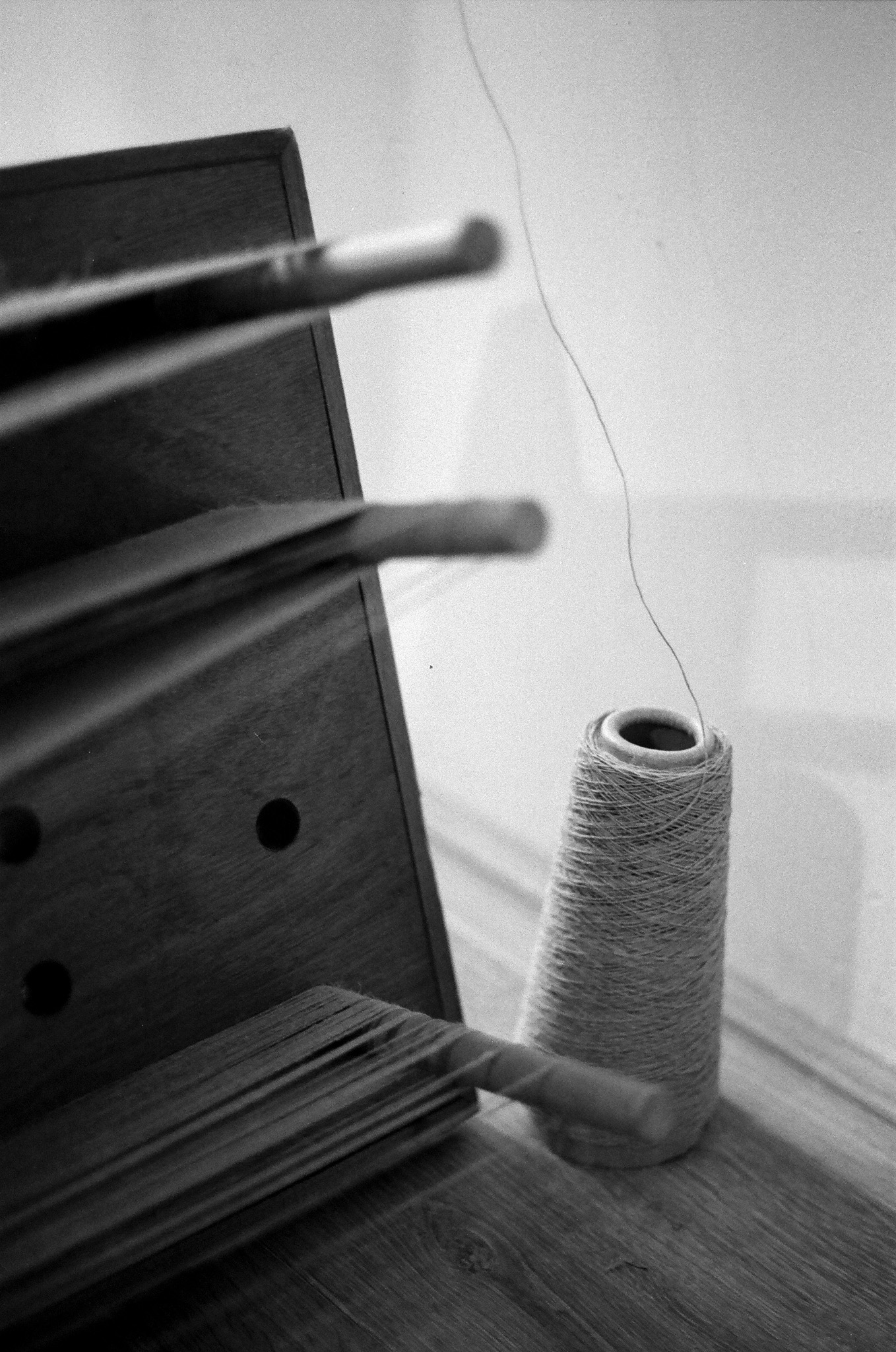
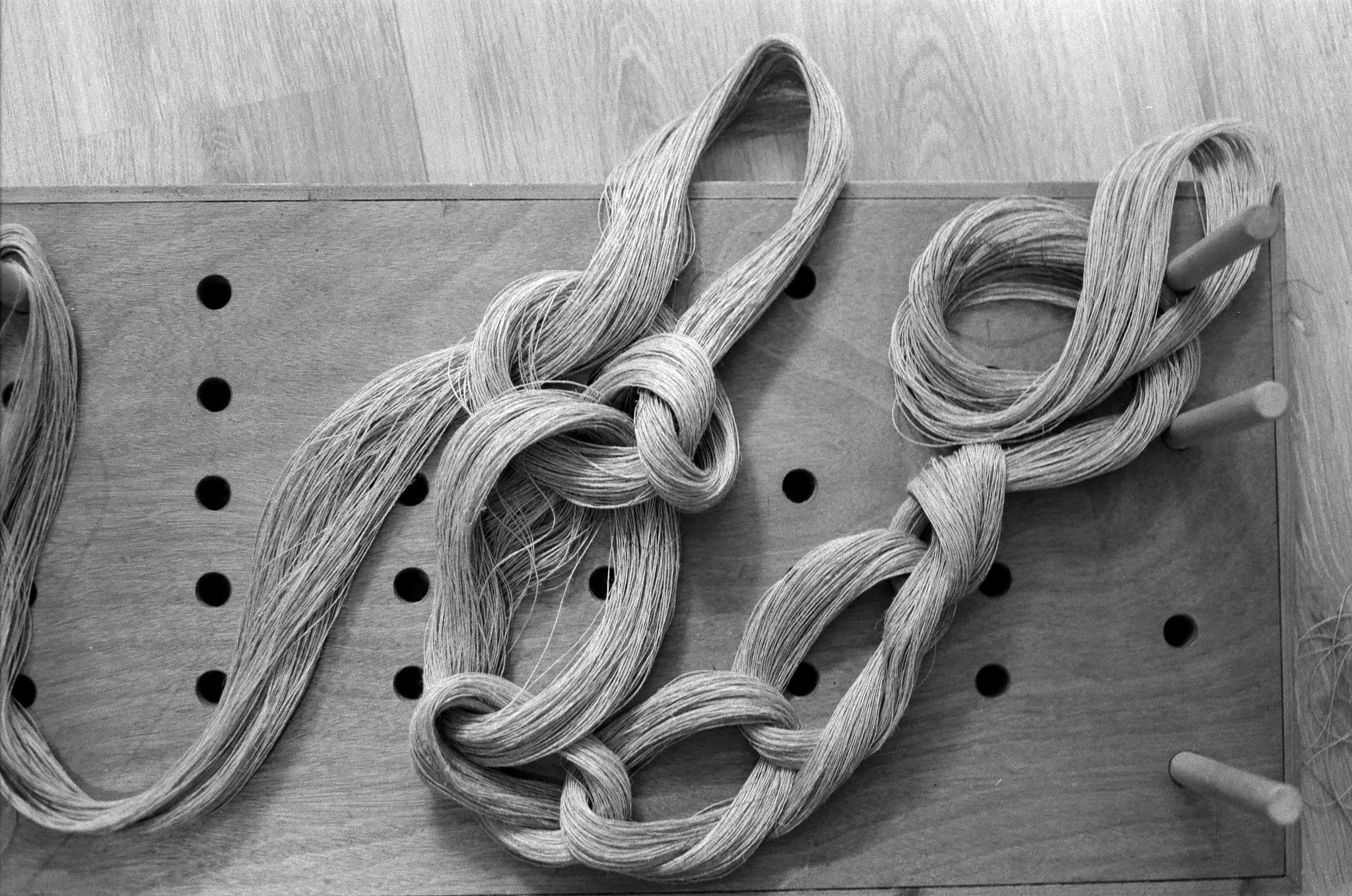
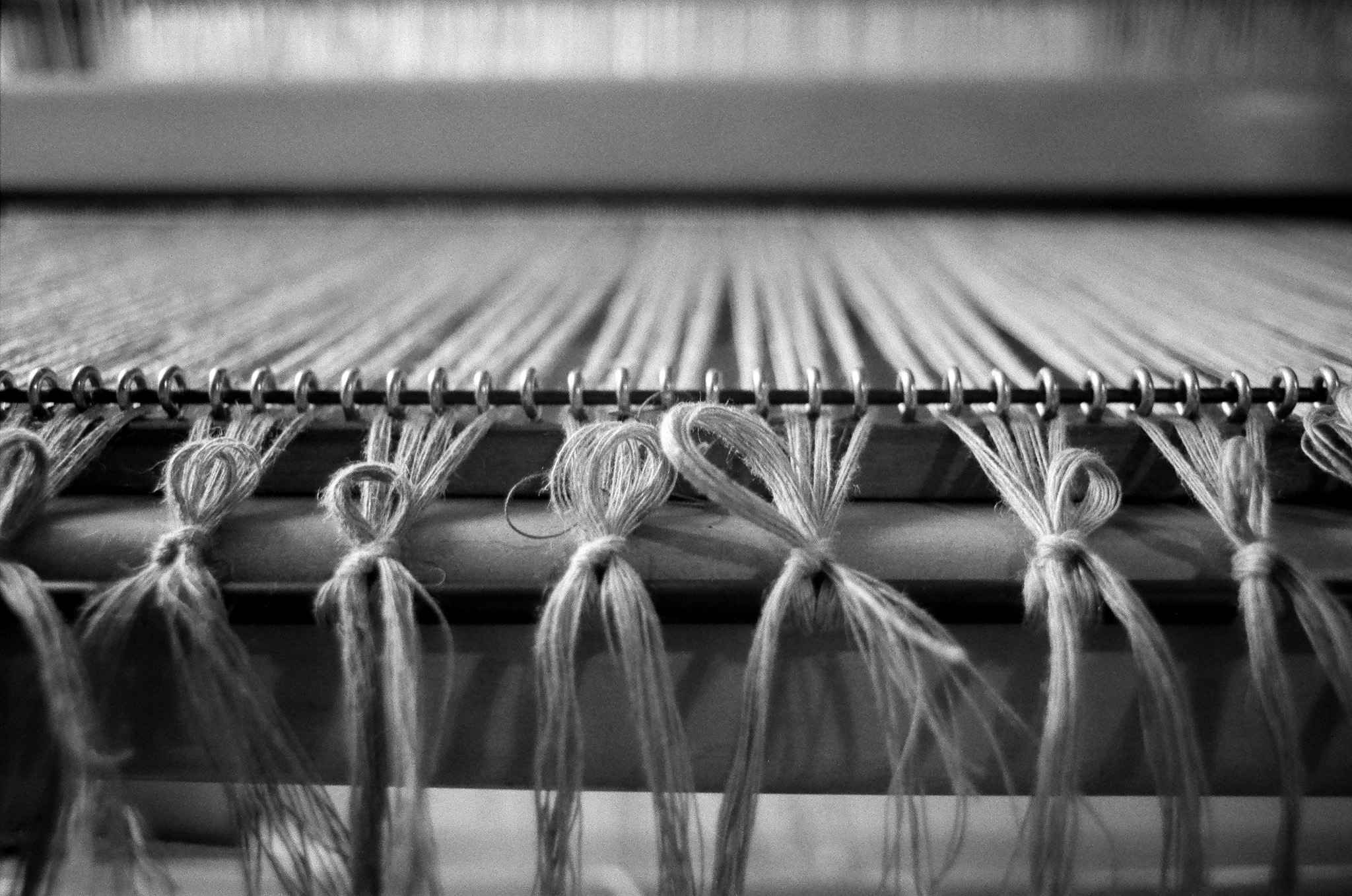
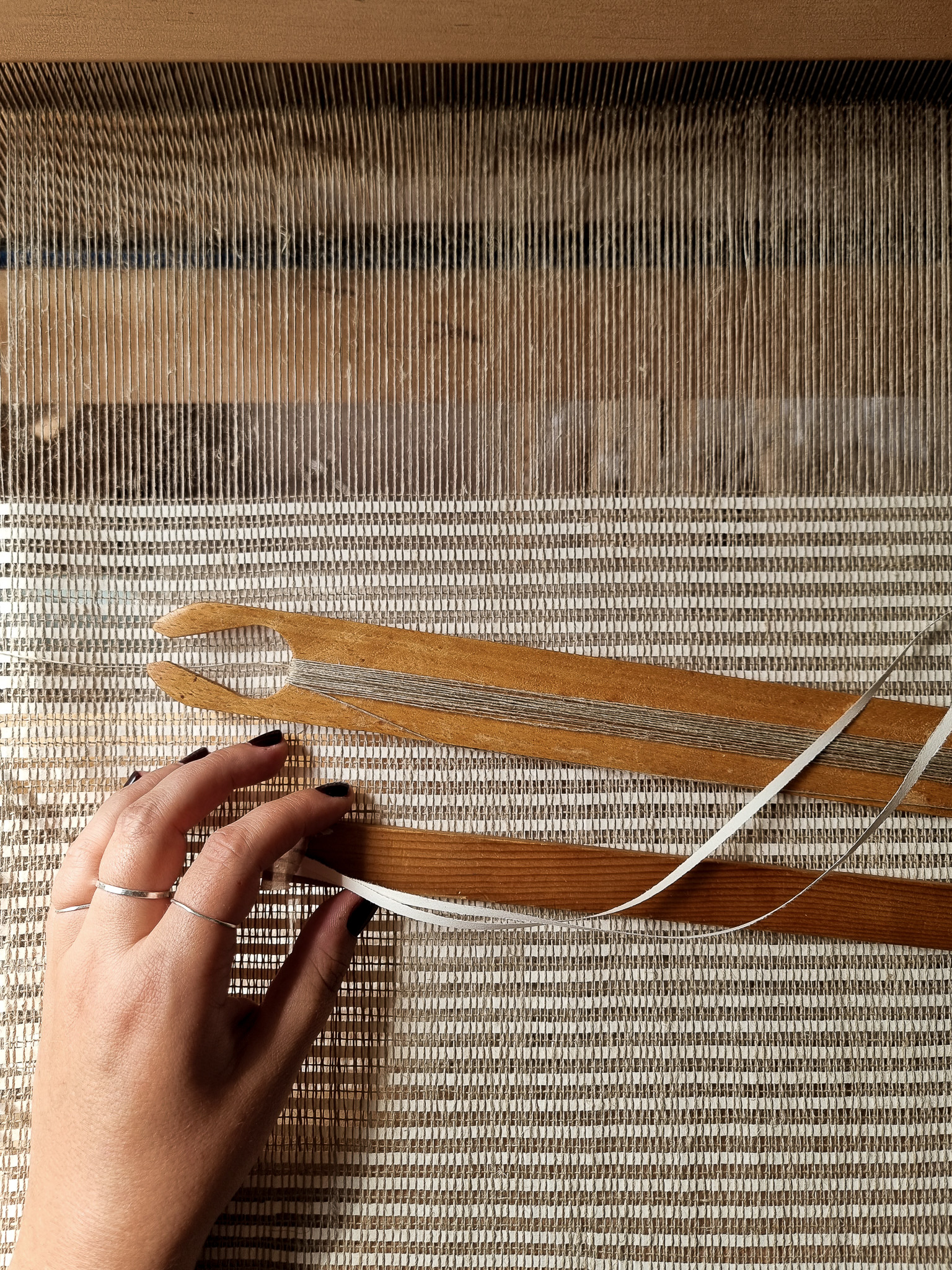
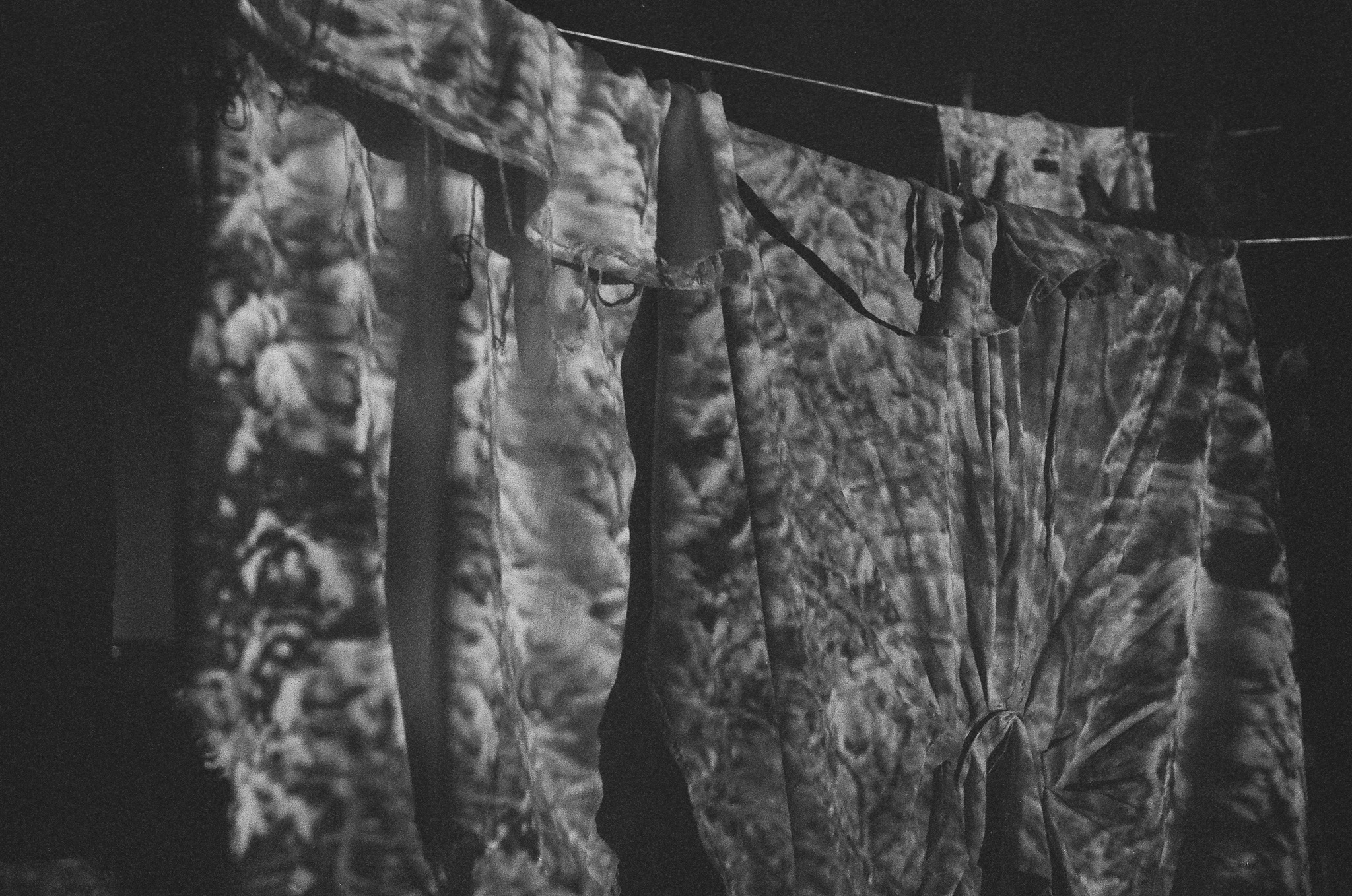
From this starting point, Mathilde started developing a language with her own fabric, weaving paper and threads, focusing on transparency, texture, and a fabric material that holds memory. Analog photography also plays a part in Mathilde’s creative process within this project: how can photography be integrated into paper weaving, and play on the sharpness and blurriness of a moment, a movement, or a memory?
Umlando is still a work in progress. It had is first 2 weeks of artistic residency, in Johannesburg (South Africa) in September 2026. It was made possible by the support of the Dutch Ministry of Foreign Affairs, the Center for the Less Good Idea & The University of Johannesburg.